Allergies and Indoor Air in Northeast Florida: A Season-by-Season Guide
Pollen and mold seasons around Orange Park run almost all year. Here's what's in the air each season, how it gets into your home, and practical steps to improve indoor air quality.
Northeast Florida's mild climate means something is almost always blooming. For allergy sufferers in Orange Park, Fleming Island and Mandarin, that can mean symptoms most of the year, and the air inside your home plays a big part in how you feel.
Season by season
Late winter to spring (January to May): tree pollen
Pine and oak are the big ones. In late winter and early spring, yellow pine pollen coats cars, porches and pool screens across the First Coast. Oak, cedar, maple and other trees add to it. This is usually the toughest season for people with tree pollen allergies.
Summer (May to September): grass and mold
Bahia and other grasses release pollen through late spring and summer. Daily thunderstorms and high humidity also push outdoor mold spore counts up, and indoor humidity can climb if the AC isn't keeping up.
Fall (September to November): ragweed and storms
Ragweed and other weeds bloom in late summer and fall. It's also the peak of hurricane season, and storms can bring water intrusion that leads to mold if it isn't dried quickly.
Winter (December to February): dust mites and indoor allergens
When windows stay closed, indoor allergens such as dust mites, pet dander and mold spores make up more of what you breathe.
How outdoor allergens get inside
- Through open doors and windows
- On clothing, shoes, hair and pets
- Through leaks in return ducts in attics, which pull in unfiltered air
- Through gaps around windows, doors and attic access
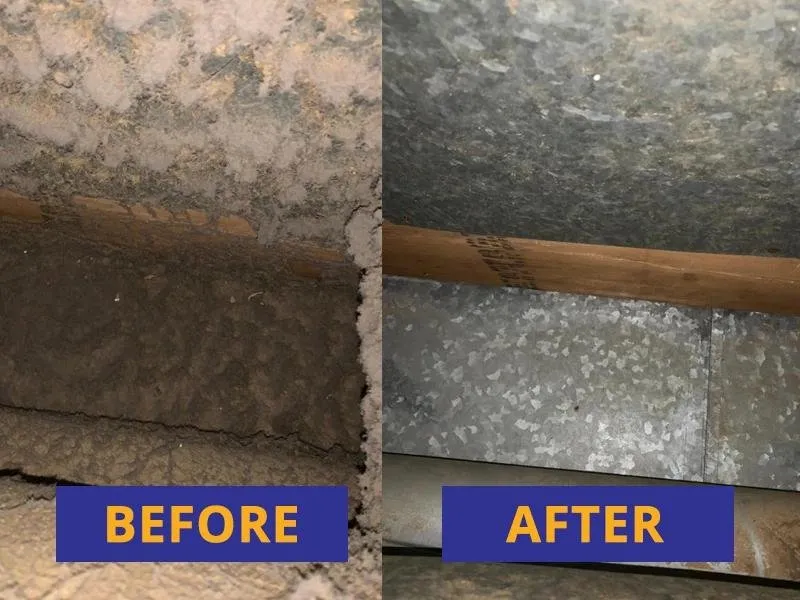
Once inside, allergens settle on floors and furniture and get pulled into return vents. If the filter is loose, low quality or overdue, some of that ends up in the ductwork and gets blown back out every time the system runs.
Practical steps to improve indoor air
- Change the HVAC filter regularly. Every 1 to 3 months, and monthly during peak pollen season if you have allergies or pets.
- Control humidity. Keep indoor humidity between 30% and 50%. A properly sized AC helps, and a dehumidifier can help in damp rooms.
- Keep doors and windows closed on high pollen days and run the AC instead.
- Wash bedding weekly in hot water to cut dust mites.
- Vacuum with a HEPA vacuum and dust with a damp cloth.
- Fix leaks quickly after storms to prevent mold.
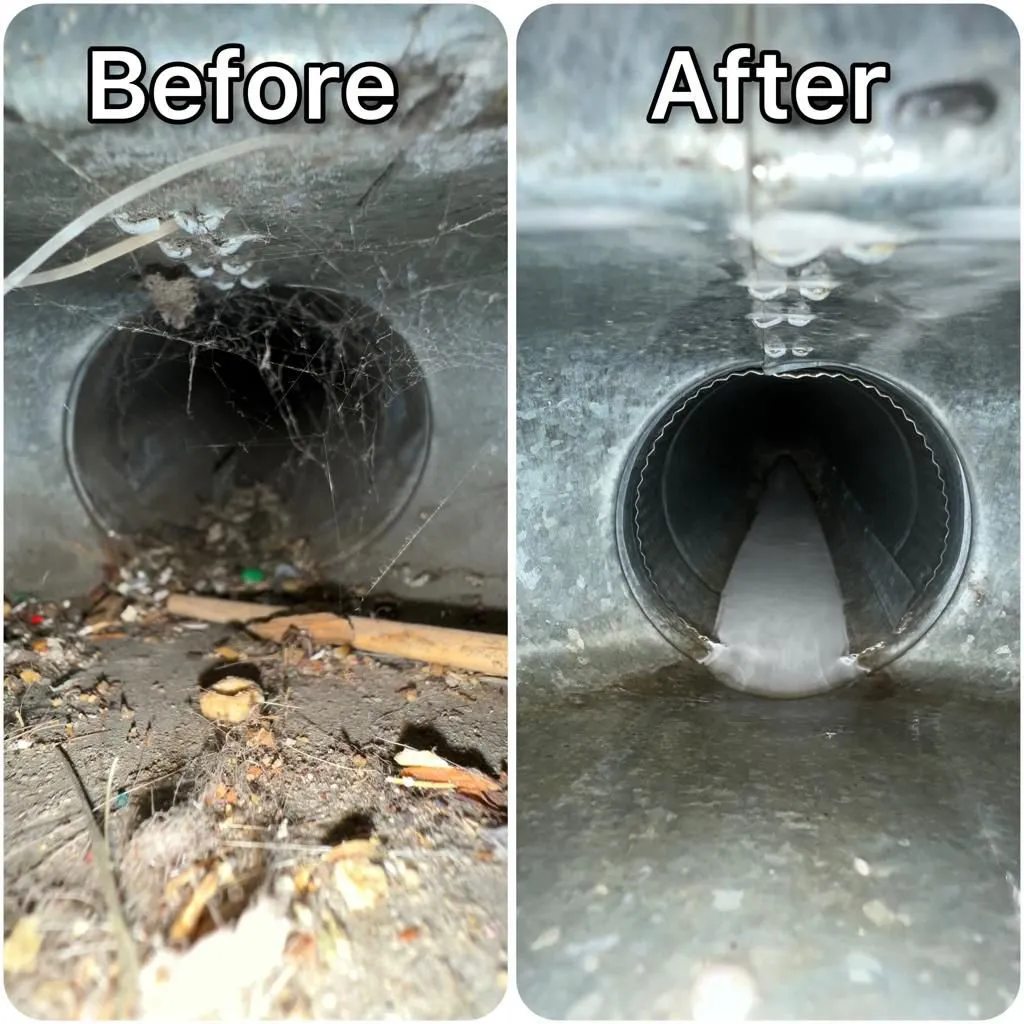
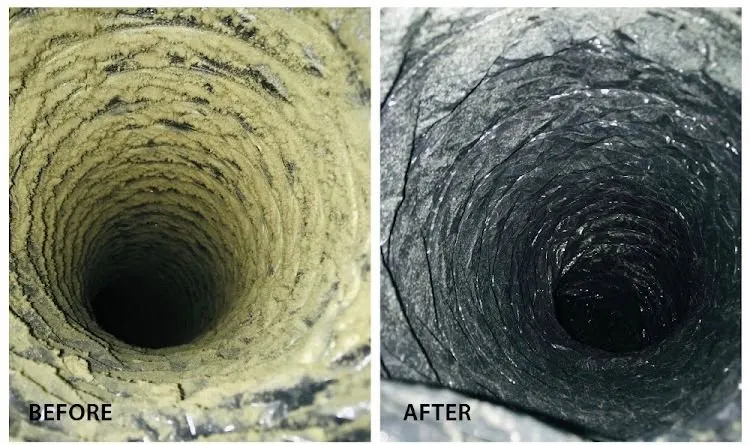
- Have the ductwork cleaned when there's visible dust, debris or musty odors, after renovations, or if it's been several years.
Can duct cleaning help with allergies?
Duct cleaning removes the dust, pollen, pet dander and debris that has built up in your system. It isn't a medical treatment, and the EPA notes that research on health effects is limited. But many homeowners notice less dust and fresher air afterward, and a clean system with a good filter gives you a better starting point.
Get your ducts cleaned
Fresh Air Duct Cleaning Orange Park offers air duct cleaning for $199 per HVAC unit with unlimited vents, including roto-brush and HEPA vacuum cleaning. Call (904) 302-5523 or request a free estimate.